

What Causes High Cholesterol?
If you've found out you have high cholesterol, you might be wondering why.
It’s easy to assume that high cholesterol is simply caused by an unhealthy diet. But the reality is more complicated. Your cholesterol levels can be influenced by a combination of what you eat, how active you are, your age, your health and even your genes. Current UK health guidance recognises all of these as potential factors. [nhs.uk], [heartuk.org.uk]
That means someone who eats a relatively healthy diet can still have high cholesterol.
The good news? While you can't change every cause, there are plenty of things you can do to help manage your cholesterol.
What Are the Main Causes of High Cholesterol?
There isn't always one single cause. Several factors can contribute at the same time.
1. Eating Too Much Saturated Fat
our overall diet can have a significant impact on your cholesterol, particularly the amount of saturated fat you eat.
Foods that can be high in saturated fat include:
- Butter, ghee and lard
- Fatty and processed meats
- Cream and some cheeses
- Cakes, biscuits and pastries
- Foods containing coconut or palm oil
Eating too much saturated fat can contribute to higher cholesterol levels. Swapping some of these foods for sources of unsaturated fat is one of the dietary changes recommended to help lower cholesterol. [nhs.uk]
Try this: Swap butter for a vegetable oil-based spread, choose olive or rapeseed oil for cooking and have nuts or seeds as a snack.
2. Not Being Active Enough
Physical activity isn't just good for fitness. It also supports healthy cholesterol levels and your overall cardiovascular health.
Adults are advised to aim for at least 150 minutes of moderate-intensity activity or 75 minutes of vigorous activity each week. Walking, swimming and cycling are all great ways to get moving. [nhs.uk]
The most important thing is finding an activity you enjoy enough to do regularly.
3. Carrying Excess Weight
Being overweight, particularly carrying excess weight around the middle, can increase your likelihood of having raised cholesterol and triglycerides. [heartuk.org.uk]
If you are above a healthy weight, changes to your diet and activity levels can be an important part of looking after your cholesterol and wider heart health.
4. Smoking and Drinking Too Much Alcohol
Smoking can contribute to unhealthy cholesterol levels and increases the likelihood of serious cardiovascular problems. Drinking too much alcohol can also affect cholesterol and other blood fats. [nhs.uk], [nhs.uk]
If you smoke, stopping is one of the most important changes you can make for your overall health.
Can High Cholesterol Run in Families?
Yes.For some people, high cholesterol is strongly influenced by their genes.
One inherited condition is called familial hypercholesterolaemia, or FH. It can cause high cholesterol from a young age, including in people who otherwise have a healthy lifestyle. [nhsinform.scot], [heartuk.org.uk]
If high cholesterol or heart disease runs in your family, tell your healthcare professional. This is particularly important if close relatives developed cardiovascular disease at a relatively young age.
Does Cholesterol Increase With Age?
Age can influence cholesterol levels, which is one reason it's important not to assume high cholesterol is simply the result of a poor diet.
Cholesterol and triglyceride levels can increase as we get older. Menopause can also affect cholesterol because falling oestrogen levels can be associated with increasing cholesterol. [heartuk.org.uk]
Other factors such as your sex, ethnic background and family history can also affect your likelihood of developing high cholesterol. [nhs.uk], [nhsinform.scot]
These aren't things you can change, which makes looking after the factors you can influence even more worthwhile.
Can a Health Condition Cause High Cholesterol?
Sometimes high cholesterol can be related to another health condition rather than lifestyle alone.
Your overall health and certain medicines can affect cholesterol and triglyceride levels, so it's important to look at your test results in the context of your wider health. [heartuk.org.uk]
If your cholesterol is unexpectedly high despite having a healthy lifestyle, speak to your healthcare professional rather than assuming your diet is to blame.
Can Stress Cause High Cholesterol?
The relationship between stress and cholesterol isn't completely straightforward.
Short-term stress can temporarily affect cholesterol levels, while long-term stress can also make healthy habits harder to maintain. For example, you might exercise less, change what you eat, smoke or drink more alcohol when you're under pressure. [bhf.org.uk], [bhf.org.uk]
Looking after your stress levels, sleep and mental wellbeing is therefore part of looking after your health more broadly.
How Can I Help Lower My Cholesterol?
Whatever has contributed to your cholesterol level, there are everyday changes that can help.
Make Some Simple Food Swaps
Focus less on what you need to "give up" and more on what you can swap.
Try:
- Butter or ghee → vegetable oil-based spreads
- Fatty processed meat → fish, beans or pulses
- Biscuits → fruit or unsalted nuts
- White bread → wholegrain bread
- Foods high in saturated fat → alternatives containing unsaturated fats
UK guidance recommends reducing saturated fat and choosing more foods containing healthier unsaturated fats, alongside wholegrains, nuts, seeds, fruit and vegetables. [nhs.uk]
Discover our simple cholesterol-lowering food swaps
Eat More Fibre-Rich Foods
Build meals around foods including:
- Oats and barley
- Wholegrains
- Beans and pulses
- Fruit and vegetables
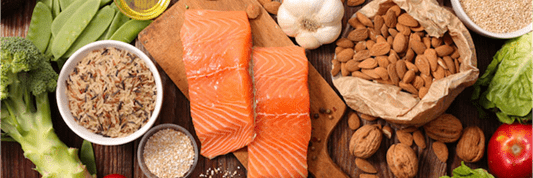
- Nuts and seeds
These foods can form part of a varied, balanced and heart-healthy diet.
Explore our cholesterol-friendly recipes
Consider Plant Sterols
If you need to lower your cholesterol, foods with added plant sterols can provide additional support as part of your diet.
Plant sterols help reduce the absorption of cholesterol in the gut, which in turn helps lower LDL cholesterol.
ProActiv® provides plant sterols in a simple everyday food, making it easy to incorporate them into your routine.
Move More
Regular activity can help support healthy cholesterol and your wider cardiovascular health.
You don't need to become a runner or join a gym. A brisk walk, cycle or swim all count towards your weekly physical activity. [nhs.uk]
The Bottom Line
High cholesterol isn't always caused by an unhealthy diet.
For most people, cholesterol levels are influenced by a combination of factors, including diet, activity levels, weight, smoking, alcohol, age, genetics and overall health. [nhs.uk], [heartuk.org.uk]
You can't control all of these factors, so don't blame yourself for your cholesterol number.
Instead, focus on the things you can influence. Small changes to what you eat, how much you move and your everyday habits can all form part of managing your cholesterol and looking after your heart.
If you're concerned about your cholesterol or don't understand your results, speak to a healthcare professional who can consider your numbers alongside your individual health and risk factors.
Ready to make a start? Explore our simple food swaps, heart-healthy recipes and practical guides to lowering cholesterol.