


Cholesterol Myths
There’s a lot of misinformation about diets and cholesterol online, partly because research has changed the guidelines over time. So what’s true, and what’s outdated? Here is a quick guide to the most popular cholesterol myths!
7 Common Cholesterol Myths: Separating Fact from Fiction
When it comes to cholesterol, there's no shortage of advice online. Unfortunately, not all of it is accurate.
Over the years, our understanding of cholesterol and heart health has evolved, meaning some older beliefs are now outdated. If you're trying to make healthier choices, knowing what's fact and what's fiction can help you focus on what really matters.
Myth #1: "If I Have High Cholesterol, I'll Know It"
False.
High cholesterol usually has no symptoms. That's why it's often called a "silent" risk factor.
Many people only discover their cholesterol is elevated after a routine blood test. Regular health checks can help you understand your cholesterol levels and take action if needed.
The truth: You can't feel high cholesterol, so the only way to know your numbers is through a blood test.
Myth #2: "Eggs Cause High Cholesterol"
Not necessarily.
For many years, foods containing cholesterol, such as eggs, were seen as something to avoid. We now know that for most people, the cholesterol naturally found in foods has less impact on blood cholesterol than the overall quality of the diet.
Eggs can be part of a healthy, balanced eating pattern.
The truth: Focus on your overall diet rather than avoiding eggs altogether.
Myth #3: "All Fat Is Bad For Cholesterol"
False.
Your body needs fat, and some fats are actually better for heart health than others.
Rather than cutting out all fat, try replacing foods high in saturated fat with foods containing unsaturated fats.
Examples include:
- Olive oil
- Rapeseed oil
- Nuts and seeds
- Avocados
- Oily fish
The truth: It's the type of fat that matters most
Myth #4: "Only Overweight People Get High Cholesterol"
False
Being overweight can increase the likelihood of having raised cholesterol, but cholesterol levels are influenced by many factors.
These include:
- Genetics
- Age
- Diet
- Physical activity
- Smoking
- Certain health conditions
Many people who appear healthy and are within a recommended weight range can still have elevated cholesterol. The truth: Anyone can have high cholesterol.
Myth #5: "I Can Lower My Cholesterol With One Superfood"
Unfortunately not.
There is no miracle ingredient, detox drink or single food that can instantly fix cholesterol.
The biggest improvements usually come from consistently making healthy choices over time, including:
- Eating a balanced diet
- Being physically active
- Maintaining a healthy weight
- Not smoking
- Managing alcohol intake
Certain foods can also play a helpful role as part of these wider lifestyle changes.
The truth: Lowering cholesterol is about habits, not hacks.
Myth #6: "Shellfish and Seafood Should Be Avoided"
False.
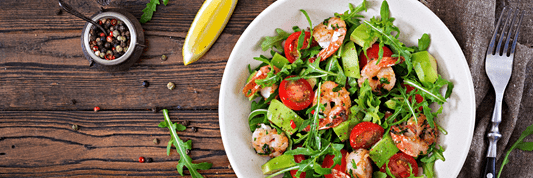
Some people still worry about foods like prawns and shrimp because they naturally contain cholesterol.
However, these foods can still form part of a heart-healthy diet. What's often more important is how they're prepared. Deep frying or serving them with foods high in saturated fat may have a greater impact on heart health than the seafood itself.
The truth: Seafood can be enjoyed as part of a balanced diet.
Myth #7: "If I Take Cholesterol-Lowering Medication, Diet Doesn't Matter"
False.
Medication can help many people manage cholesterol, but healthy lifestyle habits remain important.
A balanced diet, regular exercise, maintaining a healthy weight and avoiding smoking all support heart health alongside any treatment recommended by your healthcare professional.
The truth: Medication and lifestyle changes often work best together.
What Actually Helps Lower Cholesterol?
If you're looking for evidence-based ways to support healthy cholesterol levels, focus on the fundamentals:
Eat More Heart-Healthy Foods
Try to include:
- Fruit and vegetables
- Wholegrains
- Oats and barley
- Beans and pulses
- Nuts and seeds
Swap Saturated Fat for Unsaturated Fat
Choose foods such as:
- Olive oil
- Rapeseed oil
- Avocados
- Oily fish
instead of foods high in saturated fat such as:
- Pastries
- Cakes and biscuits
- Fatty processed meats
- Butter
Consider Foods With Added Plant Sterols
Plant sterols have been shown to lower blood cholesterol when consumed regularly as part of a healthy diet. Foods containing added plant sterols, such as ProActiv® spreads, can help support cholesterol-lowering efforts as part of a healthy lifestyle.
Stay Active
Regular movement supports both heart health and healthy cholesterol levels.
The Bottom Line
Many cholesterol myths are based on outdated information or oversimplified advice. Rather than focusing on individual foods or quick fixes, the most effective approach is a balanced diet, regular physical activity and other healthy lifestyle habits.